A home should be designed for the life you value, not only the life you happen to be living today.
Salt on Stone was conceived as a holiday home, but eventually it would become something more permanent. Our clients weren’t just building a place to escape to on weekends. They were creating a home for the life they hoped to live full-time in the years ahead.
That future already had a familiar rhythm. Mornings began with a swim in the bay alongside their two dogs, followed by long walks and days spent outdoors. The Peninsula wasn’t simply somewhere they loved to visit. It was where they felt most like themselves, and they wanted a home that reflected that sense of ease every day.
The brief wasn’t simply to create a home they could enjoy during holidays. It was to capture a way of living that already existed and give it a place to grow.
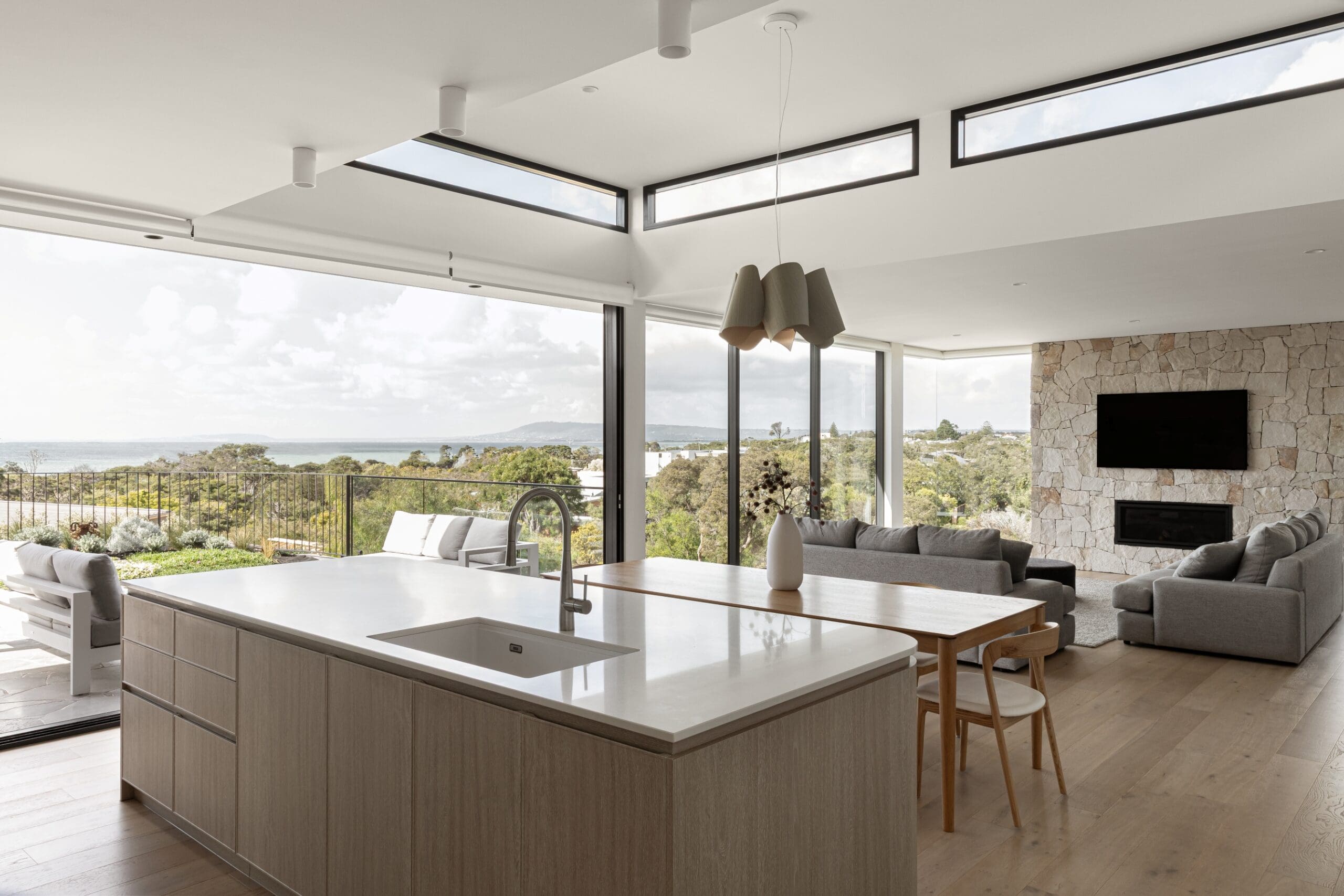
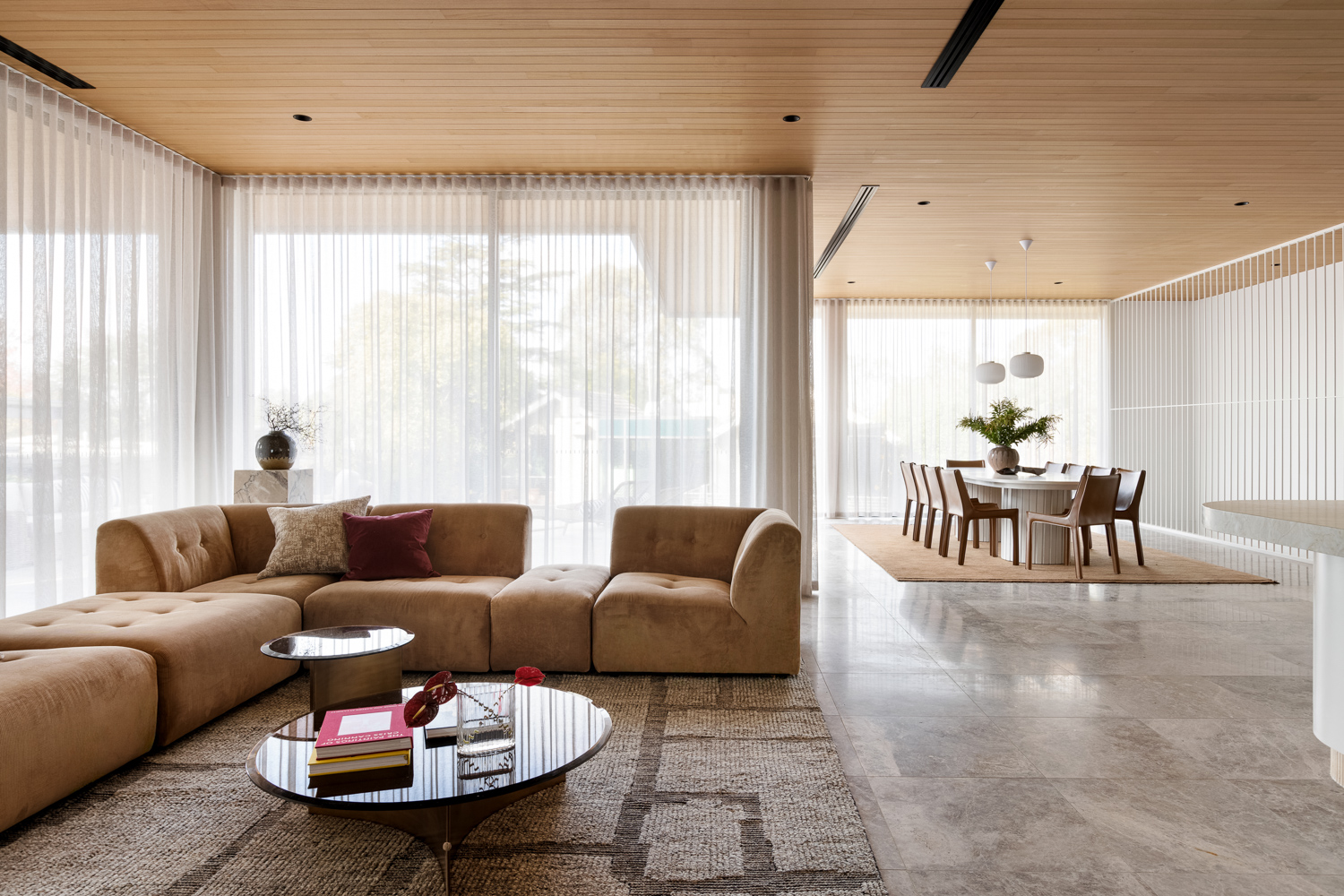
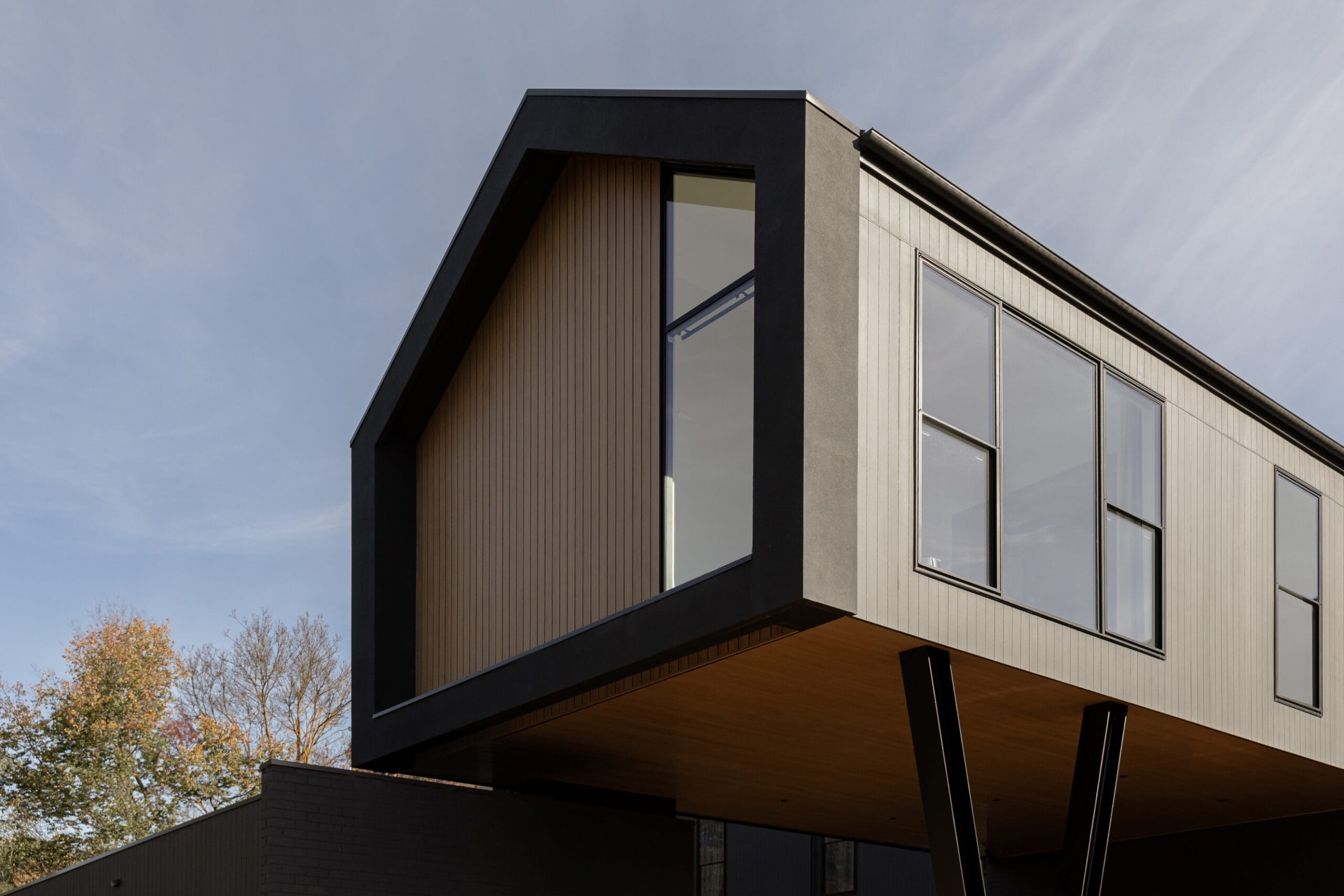
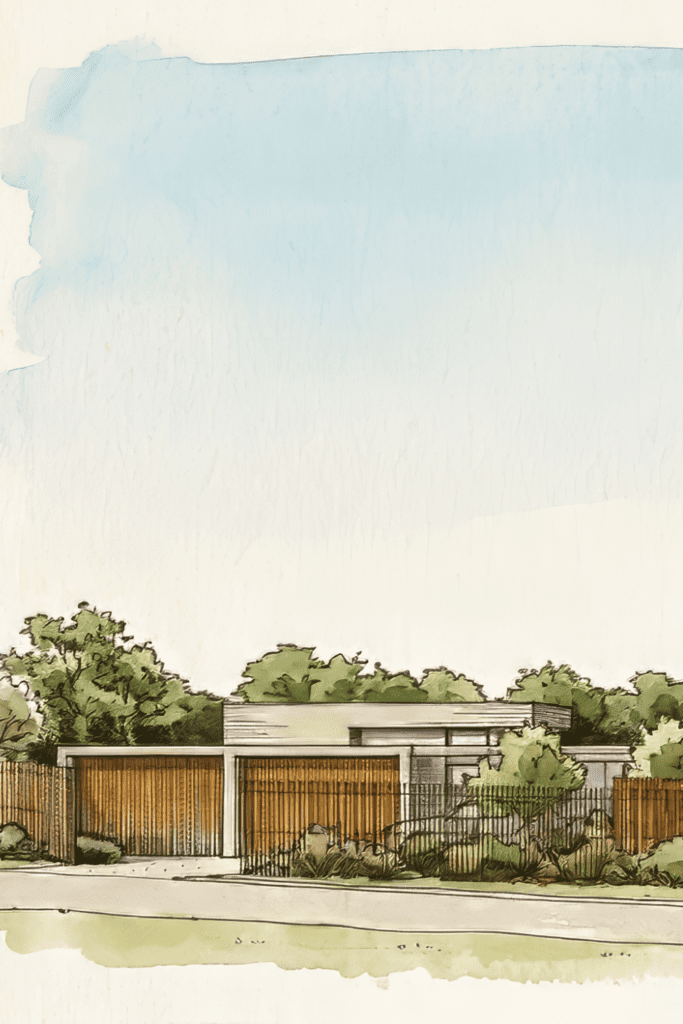
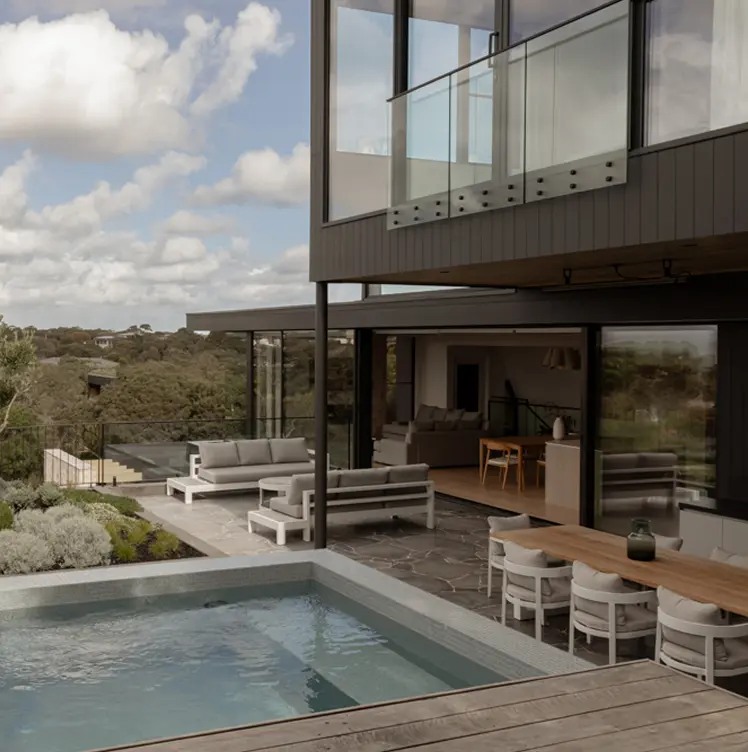
The clients also had a very clear vision for the home itself. They wanted it to feel grounded in the landscape, with stone cladding giving it a timeless, enduring character and every space drawing the eye towards the bay. Just as importantly, they saw the landscape as inseparable from the home. The courtyards, gardens and outdoor spaces weren’t something to be designed afterwards. They were fundamental to how the home would feel and be experienced.
Of course, the project came with its own challenges. The steep sandy site and planning requirements meant every decision had to be carefully considered, balancing what was possible with what the clients hoped to achieve.
My role wasn’t to compromise their vision. It was to understand what sat behind it, then protect those priorities while finding design solutions that responded honestly to the site.
I’ve found that’s often where the best design happens.
When you understand what your clients value, the difficult decisions become easier to navigate because you have something meaningful to measure them against. Every adjustment, every compromise and every opportunity can be tested against a simple question: does this bring the home closer to the life they want to live?
For Salt on Stone, the answer was always found in the same place. It wasn’t about creating an impressive coastal home. It was about creating one that felt connected to its landscape, comfortable for everyday living, generous when family gathered and true to the relaxed Peninsula lifestyle that had inspired it from the very beginning.