- Home
- →
- Knowledge Hub
- →
- EXPLAINER
What role does your site actually play when designing a custom home?
Your site does more than hold the home. It shapes how the home should respond, feel, and work. Light, slope, access, privacy, outlook, and planning conditions all influence what makes sense there. When the site is understood early, the design can become more grounded, more resolved, and less reliant on compromise later.

The simple explanation
A site is not just the setting for a home. It is one of the things that helps define it.
It affects where the home should open up, where it should hold back, how it meets the ground, how it captures light, and how comfortably it supports daily life.
A well-designed custom home does not ignore the site and then adjust later. It responds to it from the beginning.
The nuance
People often think of the site as a constraint to work around. In practice, it is usually both a constraint and a source of direction.
A sloping block may shape levels, structure, and cost, but it can also create better zoning, stronger views, or a more natural connection to landscape. A narrow site may ask for discipline, but that discipline can lead to a calmer, clearer plan.
At Latitude 37, this is where design starts to become more meaningful. The aim is not to force a preferred idea onto the land, but to understand what the site is asking for and bring that together with how you want to live.
What this changes for you
It changes the way the project begins.
Instead of starting with a house idea and trying to make it fit, you can start by understanding what this site is naturally good at, where the likely pressure points are, and what kind of response will feel settled here.
That usually leads to better early decisions, a more realistic brief, and fewer false starts. It also makes the process feel less abstract, because your choices are being shaped by something real.
Where this fits in the journey
This matters most in Exploring and Planning.
It is especially useful before floorplans become fixed, before style ideas harden into expectations, and before cost assumptions drift too far from what the site may require.
Early site understanding helps bring together human priorities, design direction, and practical reality. That is what gives the next stage of the journey a stronger foundation.
Generic idea vs site-responsive idea
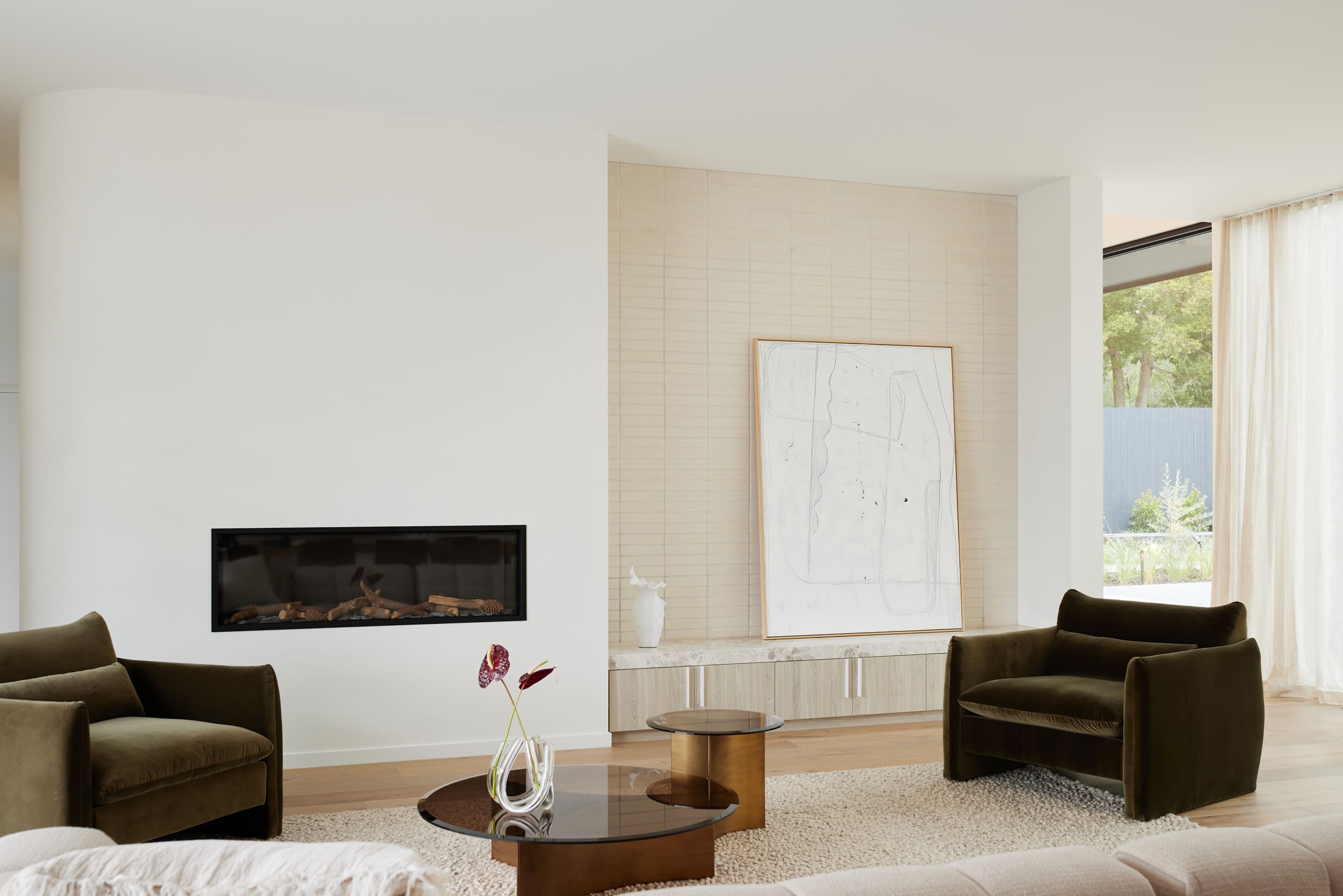
Generic approach
The house idea comes first, and the site is treated as something to make it fit.
This often creates pressure later around light, privacy, floor levels, access, excavation, or cost because the design was not shaped by the block from the outset.
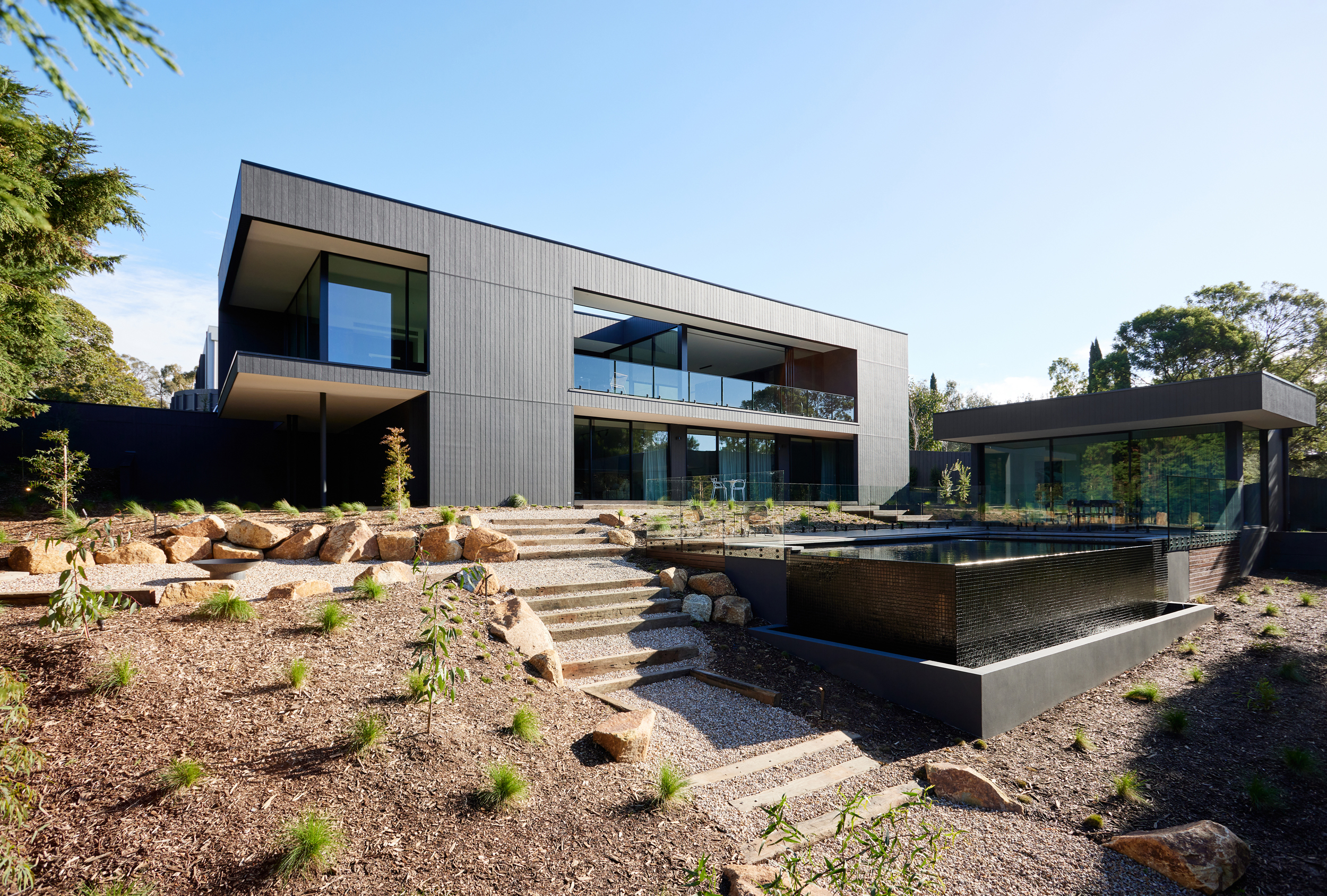
Site-responsive approach
The site is read early, and the design grows from real conditions.
That usually leads to a home that feels more settled in place, works better day to day, and carries fewer downstream compromises.
What a site influences early
- Natural light and solar access
- Privacy and neighbouring outlook
- Floor levels and connection to ground
- Entry, access, and arrival
- Excavation and structural complexity
- Planning constraints and approval pressure
Latitude 37 lens
The strongest early decisions usually come from reading people and place together.
When those are separated, the project often becomes noisier. When they are brought together early, the design tends to feel more natural, more deliberate, and easier to carry forward with confidence.
Start a conversation
If you are weighing up a renovation, rebuild or major reconfiguration, a feasibility conversation can help you test the site, the likely constraints, and whether the project is making the right demands of your budget and family.
START A CONVERSATIONRelated Resources

Where do you start when designing and building a custom home?
When everything feels important at the beginning of a custom home project, the best place to start is not with finishes or floorplans. It is...

Custom home starting point checklist
At the beginning of a custom home journey, it can feel like everything matters at once. Lifestyle, site, budget, timing, planning, finishes ...

Why is ‘how you want to live’ the real starting point?
A custom home is not just a design exercise. It is the setting for daily life. Before style, layouts or finishes begin shaping the project t...