- Home
- →
- Knowledge Hub
- →
- EXPLAINER
Why is ‘how you want to live’ the real starting point?
A custom home is not just a design exercise. It is the setting for daily life. Before style, layouts or finishes begin shaping the project too heavily, it helps to understand how you want the home to feel, function and support the way you live. When that is clear early, the design has a stronger centre and later decisions tend to become more grounded, personal and resolved.

The simple explanation
People often think they need to begin with images, floorplans or a clear idea of what the house should look like. In practice, the more useful starting point is usually understanding how you want life at home to work. That includes how connected or separate spaces should feel, where calm matters most, what routines need to flow better, and what the home needs to support now and over time.
The nuance
“How you want to live” can sound vague at first, but it is often one of the most practical parts of the brief. It shapes decisions about zoning, circulation, light, privacy, storage, flexibility and how the home feels to move through each day. At Latitude 37, this is where the project starts becoming more human and more precise at the same time, because the design is responding to lived patterns rather than abstract preferences.
What this changes for you
It changes the kind of clarity you need at the beginning. You do not need every answer or a perfectly formed brief. But it helps to understand what is not working now, what matters most in daily life, and what you want the next home to make easier, calmer or more adaptable. That usually leads to stronger early decisions because the design is grounded in real ways of living.
Where this fits in the journey
This matters most right at the beginning, during early exploration and planning. It is especially useful before layout ideas become fixed and before style starts carrying more weight than it should. The clearer your lived priorities are early, the easier it becomes to make later design decisions with more confidence and less second-guessing.
Surface preferences vs lived priorities
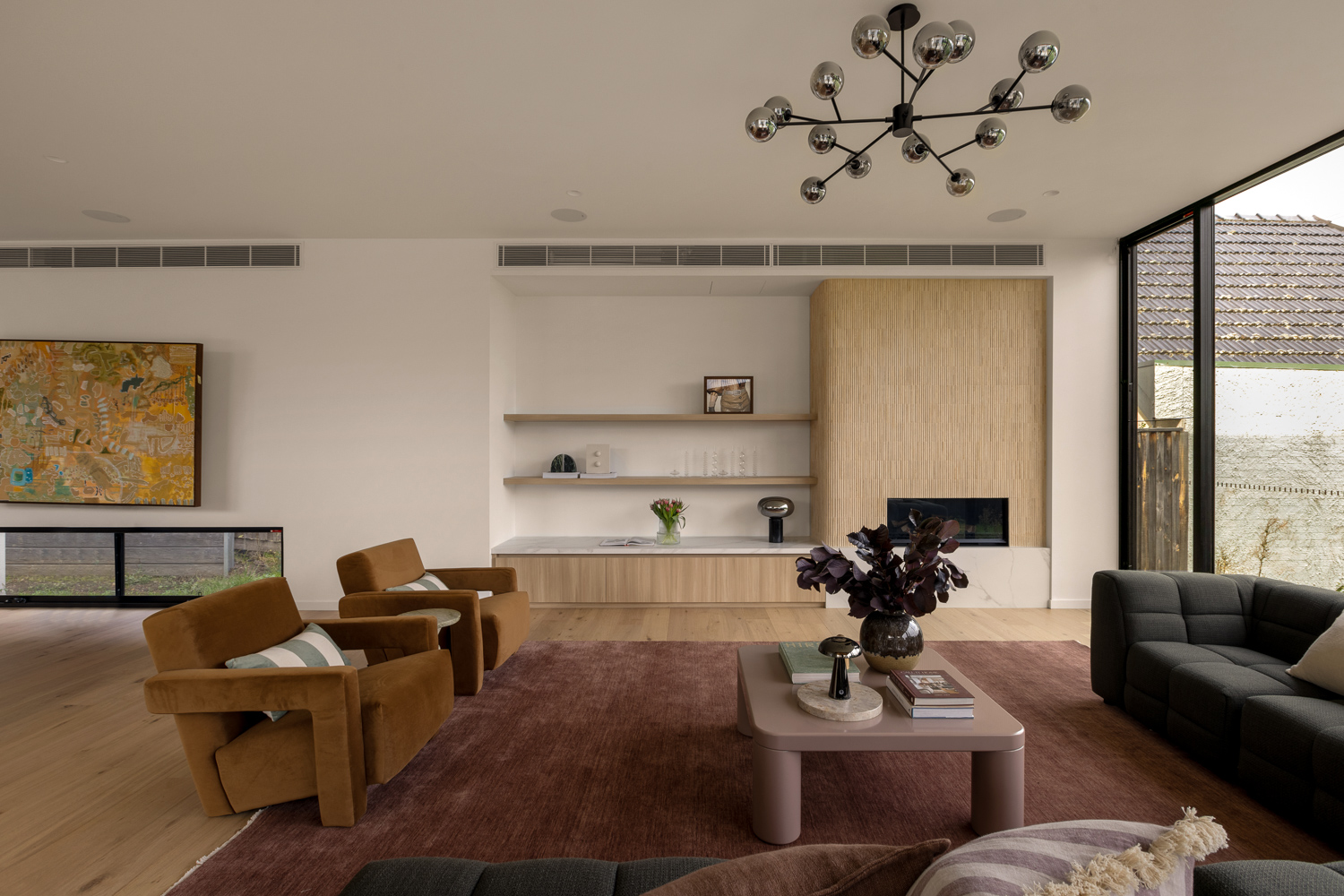
Surface preferences
Style, finishes and visual references are often the easiest things to discuss early because they are tangible and familiar. They matter, but on their own they rarely explain how the home needs to function day to day, or what the design should prioritise when trade-offs start appearing.
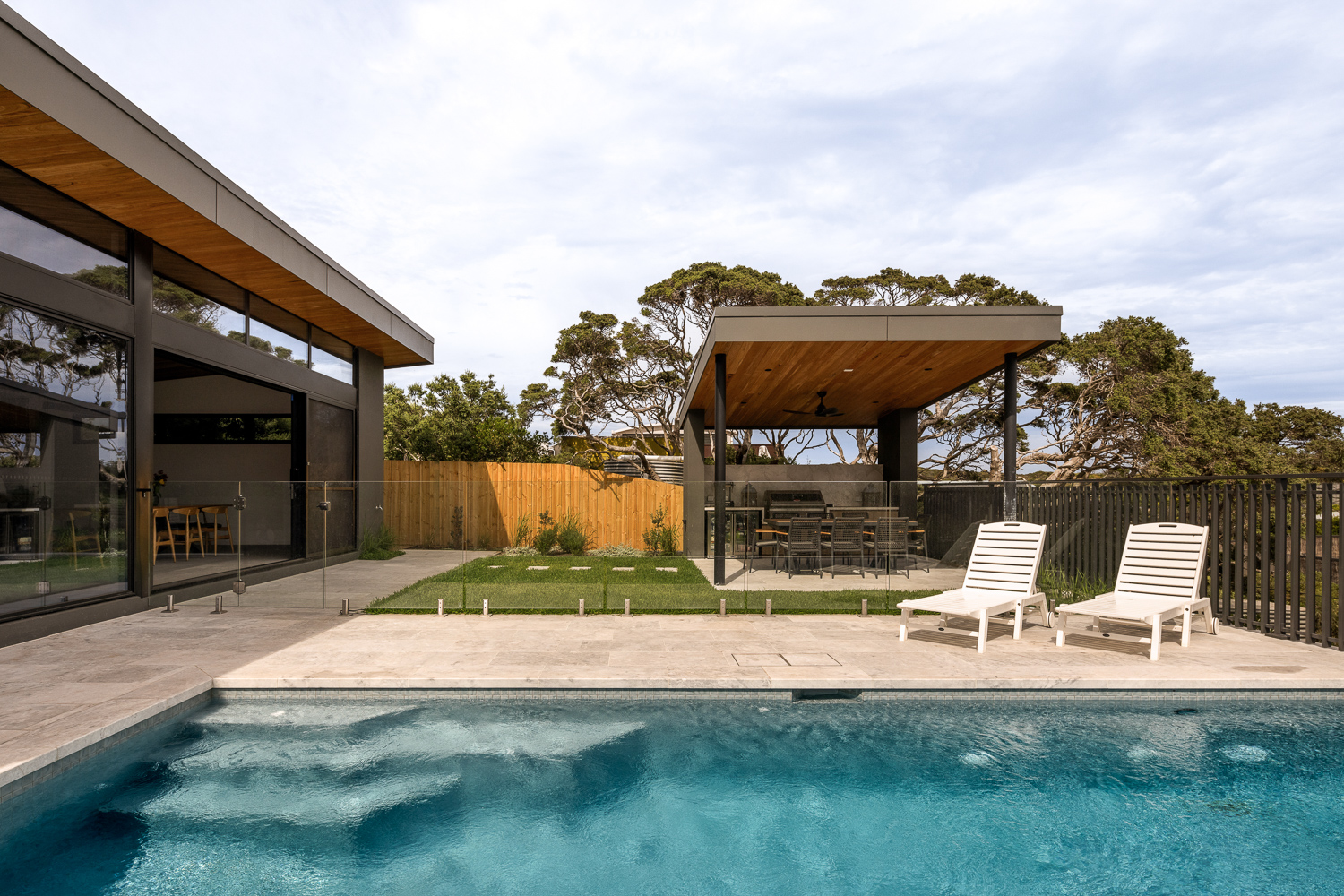
Lived priorities
Questions about daily life usually reveal more useful information. How do you want mornings to feel? Where does quiet matter most? What feels stressful or disconnected in the current home? These kinds of priorities give the design something more meaningful to respond to over time.
What “how you want to live” often includes
- Morning and evening routines
- Connection and separation between spaces
- Quiet, retreat, and privacy
- Entertaining and shared time
- Storage and everyday function
- Flexibility for future change
The Latitude 37 lens
The strongest briefs usually begin with life, not just form.
At Latitude 37, the goal is not simply to collect preferences or assemble a wishlist. It is to understand the rhythms, tensions and priorities the home needs to hold well over time. That often leads to decisions that feel both more personal and more resolved, because the design is responding to how people actually live rather than how they think a home is supposed to look.
When lived priorities are clear early, the rest of the project tends to gain clarity with them. Layout decisions become easier to test. Trade-offs become easier to explain. And the home is more likely to support daily life in a way that still feels meaningful years later.
Start a conversation
If you are beginning to think about a custom home, renovation or rebuild, an early conversation can help clarify how you want the home to support daily life before design decisions become too fixed.
START A CONVERSATIONRelated Resources

Custom home starting point checklist
At the beginning of a custom home journey, it can feel like everything matters at once. Lifestyle, site, budget, timing, planning, finishes ...

What role does your site actually play when designing a custom home?
Your site does more than hold the home. It shapes how the home should respond, feel, and work. Light, slope, access, privacy, outlook, and p...

When everything feels important, what should you decide first?
Early in a custom home project, it is common for every decision to feel urgent at once. Layout, style, budget, materials, planning and timel...

Where do you start when designing and building a custom home?
When everything feels important at the beginning of a custom home project, the best place to start is not with finishes or floorplans. It is...