- Home
- →
- Knowledge Hub
- →
- EXPLAINER
When everything feels important, what should you decide first?
Early in a custom home project, it is common for every decision to feel urgent at once. Layout, style, budget, materials, planning and timelines can all compete for attention. The beginning usually becomes clearer when you separate foundational decisions from later decisions. Some choices shape almost everything that follows. Others work better once the project has a stronger centre.

The simple explanation
Most people do not begin a custom home project with complete clarity. They are trying to think about layout, style, budget, planning, energy performance, storage and timing all at once because all of it matters in some way. The process becomes more manageable when you recognise that not every decision carries equal weight early. Some decisions influence the direction of the whole project. Others are better resolved later, once the foundations are clearer.
The nuance
The decisions people focus on first are often the easiest to picture, not the ones that matter most. Style references, finishes and visual inspiration can feel concrete, so they attract attention quickly. But on their own, they do not give the project much structure. At Latitude 37, the early work is usually about sequence. The aim is not to answer every question immediately, but to identify which decisions need weight now because they influence site response, feasibility, investment and how confidently the project can move forward.
What this changes for you
It changes the pressure at the beginning. Instead of feeling like you need to solve the entire project immediately, you can focus on a smaller set of decisions that genuinely deserve early attention. How do you want the home to support daily life? What is the site likely to allow or resist? What level of scope and investment feels aligned? Once those foundations are clearer, later decisions tend to feel more connected rather than isolated or reactive.
Where this fits in the journey
This matters most during early exploration and planning, before the brief becomes crowded with too many competing ideas and before visible decisions begin carrying more weight than they should. Getting the sequence right early often reduces overwhelm and gives the rest of the process more clarity. This is usually the point where the project starts feeling more navigable rather than abstract.
Foundational decisions vs later decisions

Foundational decisions
Questions about lifestyle, site realities and investment shape the direction of the whole project. How do you want to live? What can the site realistically support? What level of scope feels proportionate for the family and the budget? These decisions influence almost everything that follows and are usually worth resolving early.
Later decisions
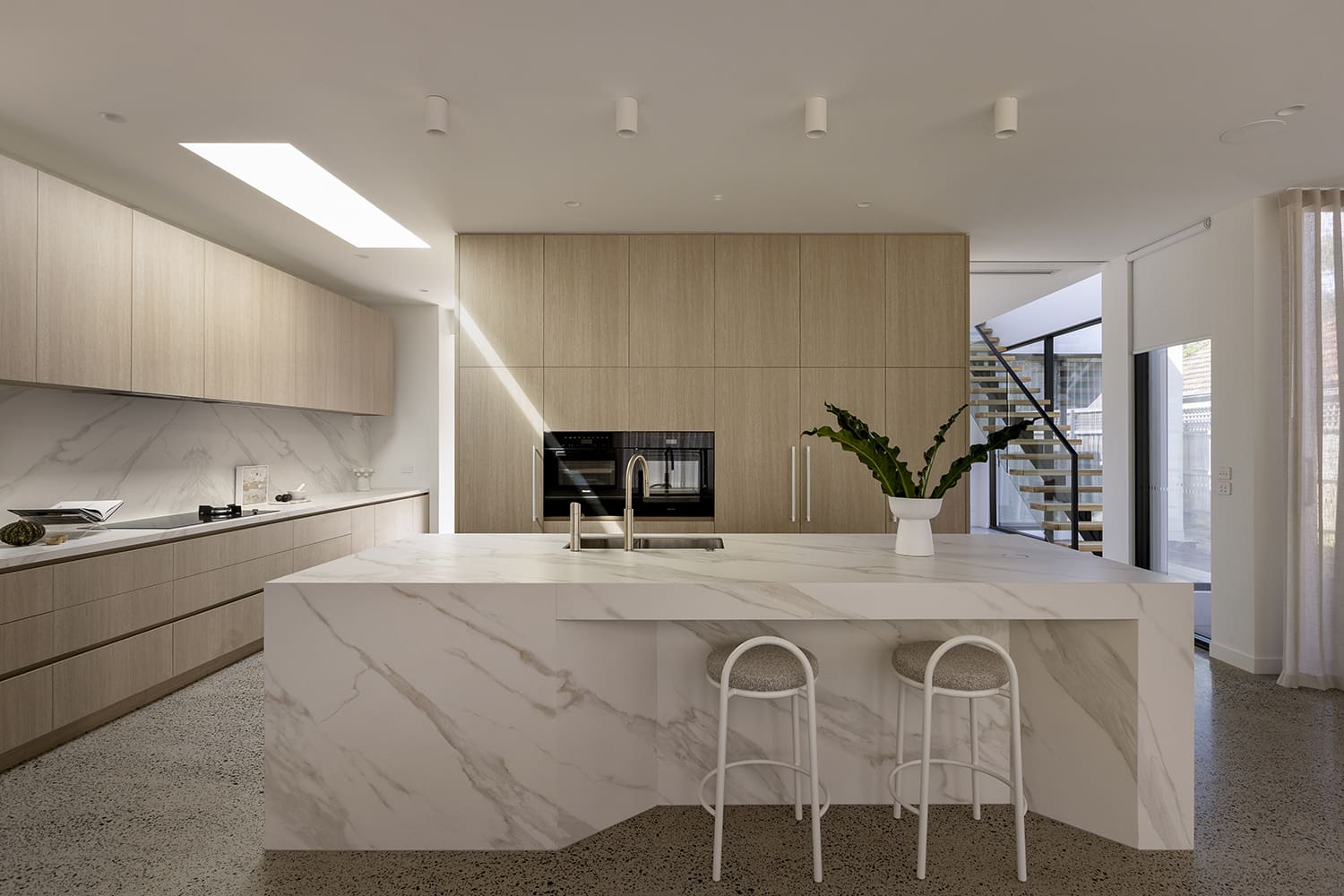
Finishes, fixtures and detailed expressions still matter, but they generally work better once the project has a clear foundation beneath them. When these decisions are made too early, they can distract from more important questions or create attachment to ideas before the overall direction has been properly tested.
What usually matters most first
- Lifestyle priorities
- Site realities
- Budget alignment
- Scope and trade-offs
- Feasibility and timing
- Brief clarity
The Latitude 37 lens
A calmer beginning usually comes from recognising hierarchy.
When every decision is treated as equally urgent, the project often becomes noisier than it needs to be. Attention shifts constantly between competing ideas, and clarity becomes harder to hold onto. When the right decisions are given weight at the right time, the path forward usually feels more grounded and more manageable.
At Latitude 37, this is why early conversations tend to focus less on surface preferences and more on the decisions shaping the project underneath them. How the home should support daily life. What the land is likely to allow. Where the investment needs to sit to create lasting value. These are the decisions that give the brief its structure.
Once that structure exists, later design decisions tend to feel more coherent because they are responding to a clearer foundation rather than competing for direction.
Start a conversation
If you are at the beginning of a custom home, renovation or rebuild project and everything feels equally important, an early conversation can help clarify which decisions deserve attention first and which are better resolved later.
START A CONVERSATIONRelated Resources

Where do you start when designing and building a custom home?
When everything feels important at the beginning of a custom home project, the best place to start is not with finishes or floorplans. It is...

Custom home starting point checklist
At the beginning of a custom home journey, it can feel like everything matters at once. Lifestyle, site, budget, timing, planning, finishes ...

What role does your site actually play when designing a custom home?
Your site does more than hold the home. It shapes how the home should respond, feel, and work. Light, slope, access, privacy, outlook, and p...

Why is ‘how you want to live’ the real starting point?
A custom home is not just a design exercise. It is the setting for daily life. Before style, layouts or finishes begin shaping the project t...