- Home
- →
- Knowledge Hub
- →
- EXPLAINER
Which design decisions should wait until later, and why?
Some custom home decisions should wait because they depend on information the project does not yet have. Locking in a floorplan, detailed finishes or specifications too early can create unnecessary redesign, cost pressure and compromise. Waiting is not indecision. It is often how the project protects clarity, so each decision is made when the brief, site, budget and design direction are ready to support it.

The simple explanation
At the beginning of a custom home project, it is natural to want progress you can see. A layout feels tangible. Materials feel real. Detailed choices make the project feel like it is moving. But not every design decision is equally useful early. Some decisions are stronger once the home’s core logic is clearer, including how you want to live, what the site is asking of the design, and what level of investment feels aligned.
The nuance
This is not about delaying everything. It is about understanding which decisions are foundational, and which ones depend on those foundations being in place. A floorplan should not harden before the brief, site and budget are working together. Finishes should not carry more weight than architecture and interiors. Fixtures, joinery and specifications should usually wait until the broader design direction is resolved enough to give them proper context.
What this changes for you
It changes the kind of progress you look for early. Instead of asking what can be locked in now, you can ask what the project already knows, what is still being tested, which decisions shape everything else, and which ones will be stronger if they wait. That usually leads to more thoughtful early decision-making, because detail is not being forced before the right context exists.
Where this fits in the journey
This matters most during planning, and becomes especially useful as the project moves closer to selections and more detailed design decisions. It is relevant after the first brief has started to take shape, before layout ideas become too fixed, and before detailed selections begin to harden. This is often where better timing protects the project from avoidable corrections later.
Foundational decisions vs dependent decisions
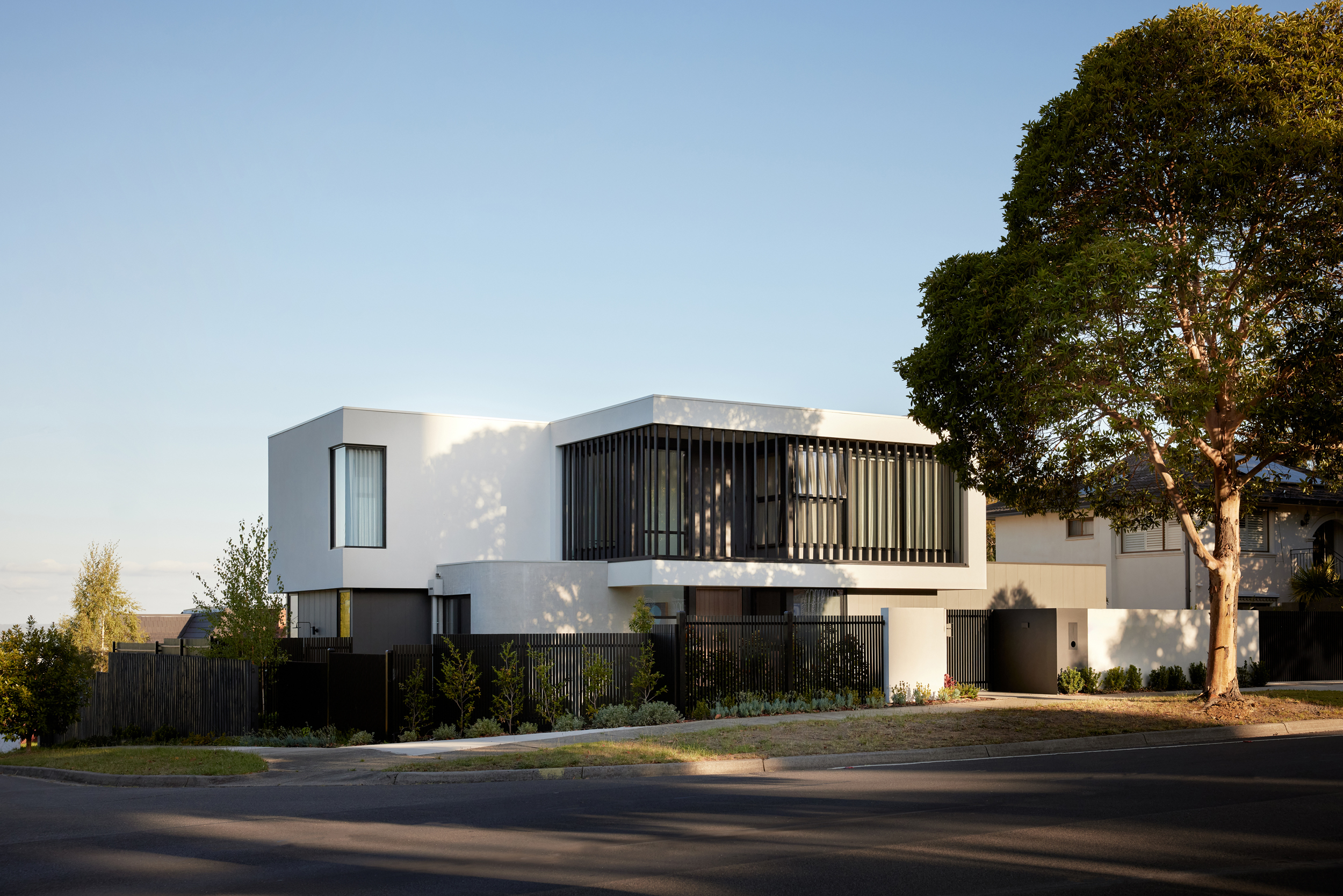
Foundational decisions
Foundational decisions usually deserve attention first because they shape the direction of the whole project. How should the home support daily life? What is the site likely to allow or resist? What level of scope and investment feels aligned? What core design direction is emerging? These choices give later decisions something steadier to respond to.
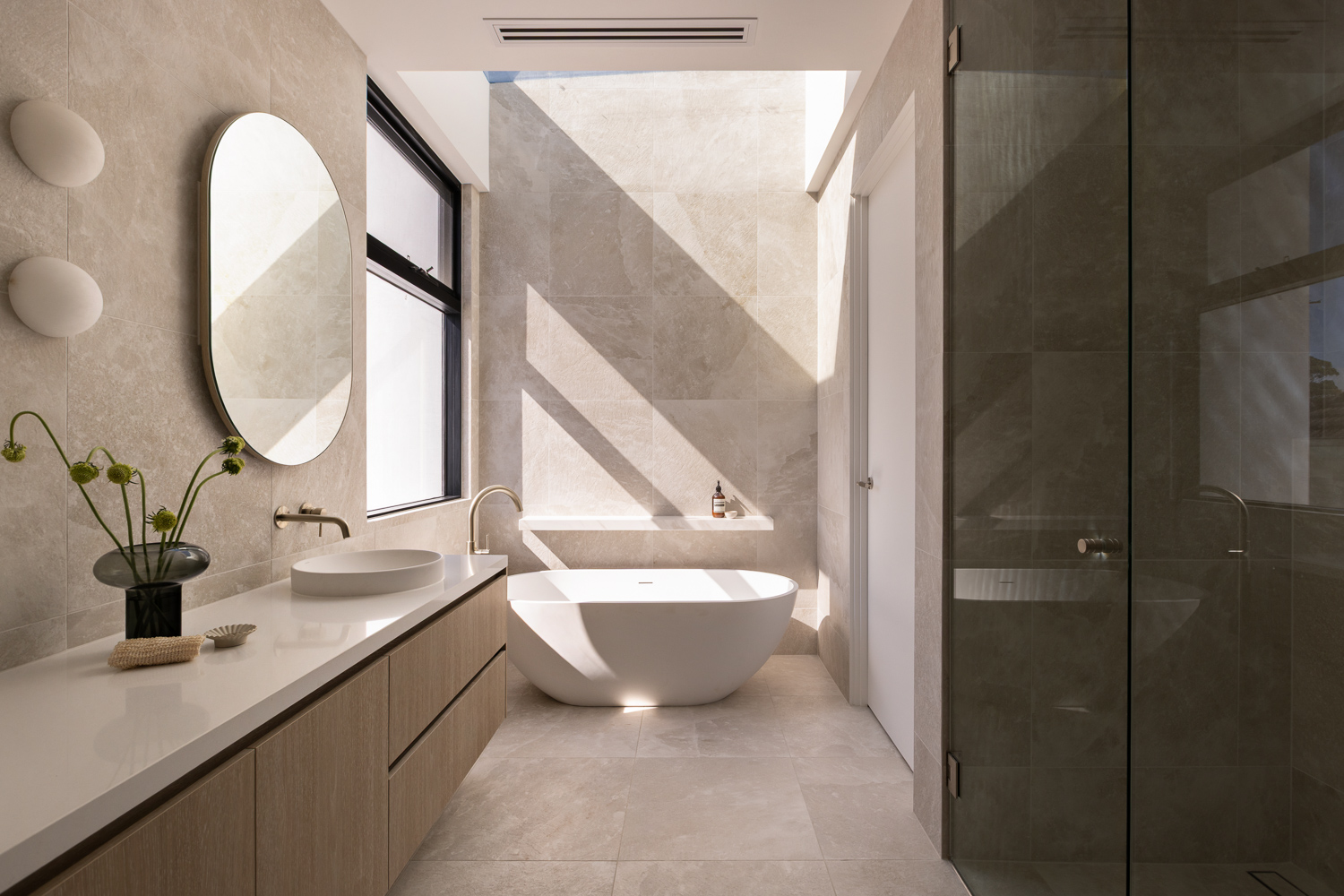
Dependent decisions
Dependent decisions often become stronger once the foundations are clearer. Exact floorplan arrangements, detailed finishes, fixtures, joinery, specifications and refined aesthetic selections still matter, but they are more useful when they respond to a resolved direction rather than trying to create one too early.
Design decisions that often work better later
- Exact floorplan lock-in
- Detailed finishes
- Fixture selections
- Joinery specifics
- Tightly fixed style directions
- Specifications that depend on budget or documentation maturity
The Latitude 37 lens
The safest projects are rarely the ones that decide fastest. They are usually the ones that give the right decisions weight at the right time.
At Latitude 37, sequencing is part of how clarity is built into the process. Early decisions need to create direction. Later decisions need to refine it. When that order is respected, the project is less likely to become fragmented by choices that felt concrete early, but were not yet properly supported by the brief, site, budget or documentation.
This is also where integrated architecture, interiors and construction thinking matters. A finish, fixture or layout decision may look isolated, but it can affect cost, detailing, buildability and the way the home feels to live in. Waiting until the right context exists can make the decision more confident, not less.
Start a conversation
If you are planning a custom home and want to understand which decisions need attention now, and which are better resolved later, an early conversation can help bring more order to the process.
START A CONVERSATIONRelated Resources

What decisions should you avoid making too early when designing and building a custom home?
The costliest early mistake in a custom home project is not usually choosing the wrong finish or style. It is locking in decisions before th...

Early decision-making checklist
Early in a custom home project, it is easy to feel pressure to make visible progress quickly. Layouts, style references and detailed decisio...
How should cost be managed as design decisions evolve?
Custom home cost management should move with the design, not sit outside it. As the brief, site response, scope, interiors and documentation...
Where do budget blowouts actually come from in a custom home project?
Budget blowouts rarely come from one dramatic mistake. More often, they begin much earlier, when assumptions around the site, scope, structu...

What could be possible for your home?
What is possible for your home becomes clearer when you explore ideas broadly enough to see real opportunities, but not so loosely that the ...