- Home
- →
- Knowledge Hub
- →
- EXPLAINER
What does a feasibility study tell you before you commit?
A feasibility study helps you understand whether your renovation, rebuild, extension or reconfiguration makes sense before you spend serious money on design or commit to a build path. It tests the relationship between your site, budget, brief and priorities, so you can see what is likely to be realistic, where the risks sit, and what deserves to happen next.

The simple explanation
Most homeowners start with an idea. They want more space, better light, a stronger connection to the garden, or a home that works better for family life now. A feasibility study tests whether that idea is likely to stack up in practical terms before it becomes a more committed design direction.
The nuance
Feasibility is not just a technical exercise or an extra step before the real work begins. Done well, it helps clarify whether your site can support what you want, whether your budget and ambitions are aligned, and whether renovation, rebuild, staging or reconfiguration deserves closer consideration.
What this changes for you
Feasibility changes the quality of the next decision. Without it, a family can move too quickly from “we should do something” to “let’s start designing.” With it, the project becomes clearer before it becomes more committed, and early assumptions are tested before they shape the outcome.
Where this fits in the journey
This sits between early interest and serious commitment. It is useful when you know the house needs to improve, but you are not sure which path makes sense. It helps frame the project properly before momentum builds around a direction that may not be right for the site, budget or household.
Before and after feasibility
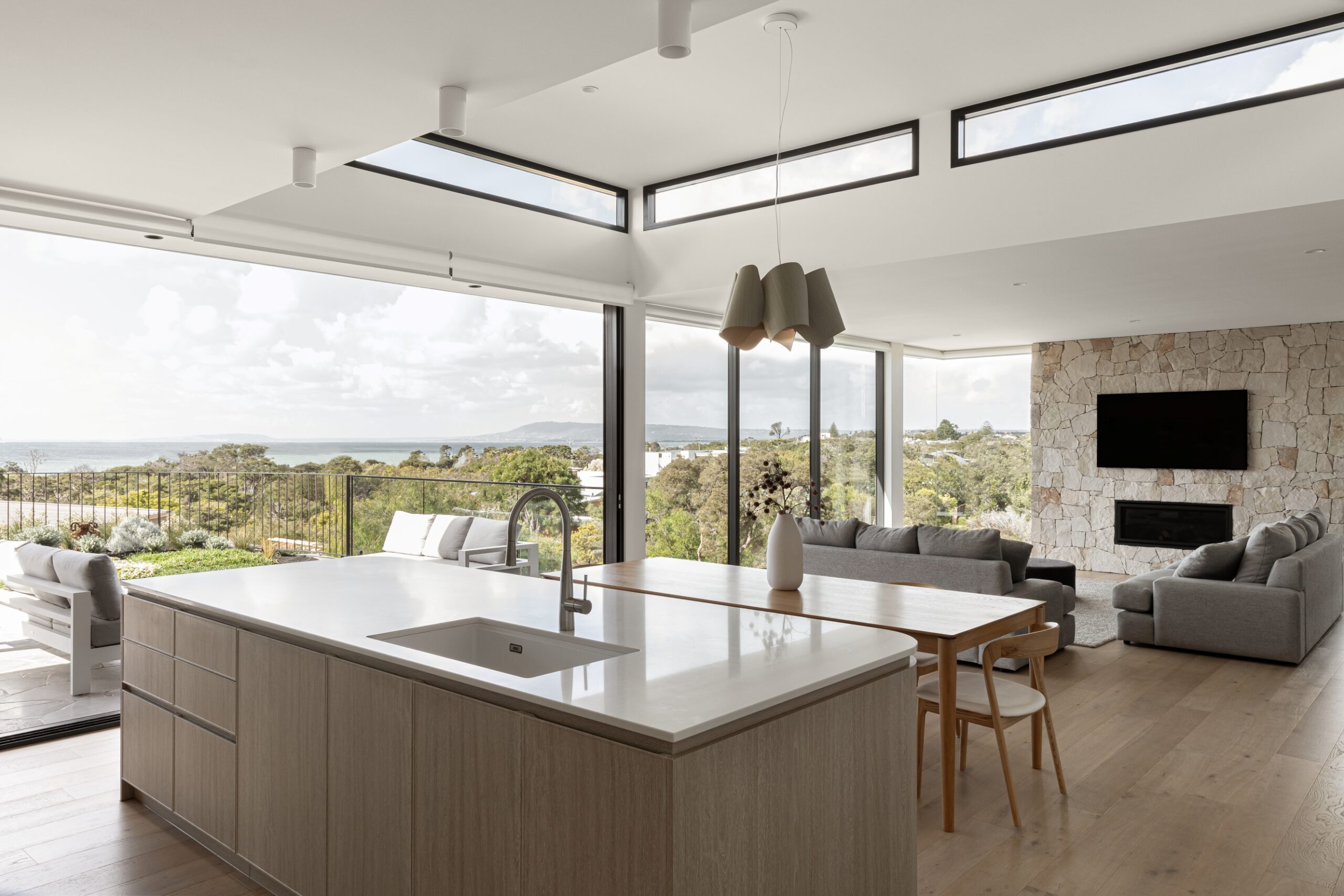
Before feasibility
Before feasibility, the project is often shaped by instinct, early preferences, a rough budget and a preferred path. The idea may feel promising, but the assumptions beneath it have not yet been tested against the site, likely constraints, household needs or the practical realities of delivery.
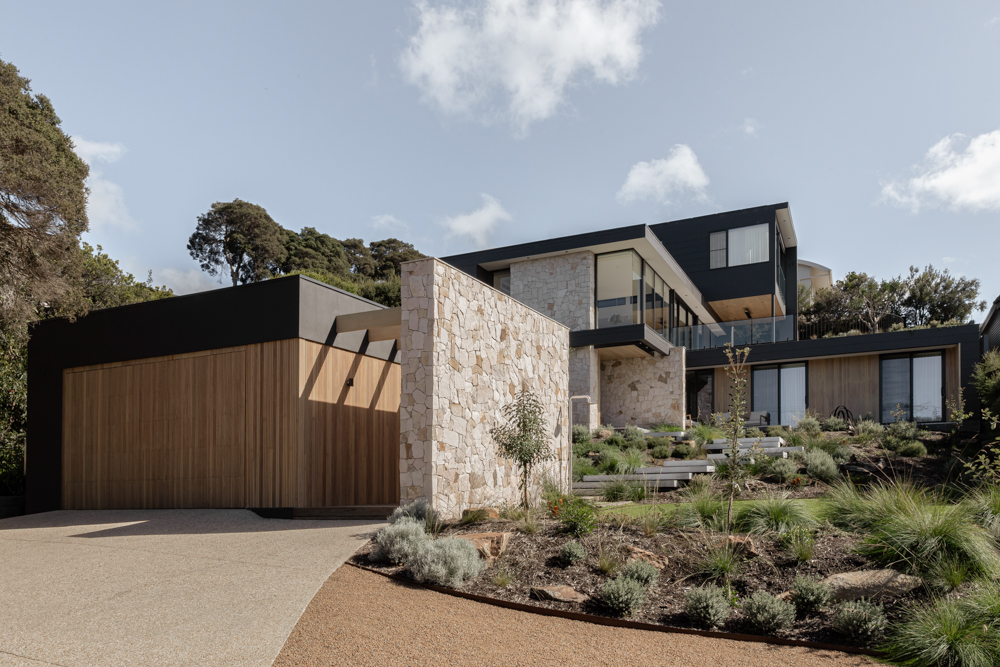
After feasibility
After feasibility, the options are clearer. Likely constraints, realistic priorities, budget alignment and next steps are easier to see. The household has a stronger basis for deciding what should progress, what needs more testing, and what may not be worth pursuing further.
What a feasibility study can influence early
- Whether the site can support the direction you are considering
- Whether budget and ambition are in reasonable alignment
- Whether renovation, rebuild or staging deserves closer consideration
- Where planning, structural or access issues may affect cost or complexity
- Whether the likely disruption feels manageable for your household
- What should be explored next, and what may not need to go further
The Latitude 37 lens
The value of feasibility is not that it produces certainty on every point. It is that it makes uncertainty more manageable.
In Latitude 37’s experience, the most stressful projects are not always the most complex on paper. They are often the ones where assumptions stayed untested for too long. The brief was too loose. The budget was too soft. The site constraints surfaced late. Or the family moved into design before properly resolving what they were trying to solve.
That is why feasibility matters. It is not another layer of process before the real work starts. It is often the work that stops you spending serious time and money on the wrong version of the project.
A good feasibility process creates a calmer start. It helps reveal where a site may complicate the build, where a brief is trying to do too much, and where a family would benefit from slowing down just enough to make a better decision.
Start a conversation
If you are weighing up a renovation, rebuild or major reconfiguration, a feasibility conversation can help you test the site, the likely constraints, and whether the project is making the right demands of your budget and family.
START A CONVERSATIONRelated Resources

What should you do before you commit?
Before committing serious money to a custom build, renovation or rebuild, you need more than inspiration and a rough budget. The strongest n...

When everything feels important, what should you decide first?
Early in a custom home project, it is common for every decision to feel urgent at once. Layout, style, budget, materials, planning and timel...

Which design decisions should wait until later, and why?
Some custom home decisions should wait because they depend on information the project does not yet have. Locking in a floorplan, detailed fi...

Where do you start when designing and building a custom home?
When everything feels important at the beginning of a custom home project, the best place to start is not with finishes or floorplans. It is...